


The Indian education system strongly emphasises academic achievements. Over 15 years of school and college life, students are taught to chase good grades and build successful careers. In this relentless pursuit, we often overlook their personal growth. As a result, many young people are not fully prepared to navigate real-world challenges. They are confused, feel stressed, lack self-confidence, and struggle to handle setbacks.
What is the way forward? How can we prepare students to thrive in all areas of life? “Holistic development is the answer.”, says Smita Bhosale, principal of S K Somaiya Vinay Mandir Secondary and Junior College. “We need to give equal importance to students’ physical, emotional, social, intellectual and spiritual well-being. Doing so will ensure students are ready for life beyond the four walls of the classroom.” Learn more about holistic development for students in the exclusive interview with her.
In your view, what is holistic development, and why does it matter for students?
We often teach students to equate success with good marks and well-paying jobs. But in reality, life is much more than that. As educators, it is our responsibility to help students realise that real growth involves every area of life, including physical, emotional, social, intellectual and spiritual. This comprehensive approach is called holistic development.
Holistic development helps students develop life skills to handle everyday challenges and thrive in today’s demanding world. These skills include stress management, communication, problem-solving, critical thinking, decision-making, empathy, interpersonal relationships, and self-awareness.
Students also understand that maintaining physical and mental well-being is key to productivity and happiness. They cultivate resilience and perseverance, both pivotal to lasting success. Moreover, this approach allows students to look beyond textbook knowledge and foster an innovation mindset. Ultimately, fresh graduates leave college not just with a degree but also with a clear roadmap for building fulfilling careers and leading meaningful lives.
What is physical development? How can students incorporate it into their routine?
Most students like to spend their free time on digital devices. Scrolling Instagram reels, playing video games, chatting with friends, and the list is endless. A recent report found that around the world, teens spend an average of nearly 6-7 hours on their phones daily. However, when it comes to physical activity, according to WHO, more than 80% of adolescents globally are not active for even an hour a day. Consuming junk food, using unhealthy coping strategies, and staying up late at night are some of the other issues among youth. What students don’t realise is that their feelings of anxiety, sadness, and loneliness are all a result of neglecting proper self-care.
There is only one solution to this problem: encouraging physical development among students. It’s not as complicated as it sounds—they only have to focus on four aspects: exercise, diet, sleep, and stress management. Students can choose any physical activity they enjoy daily, such as walking, cycling, yoga, dance, or sports. Eating balanced meals and getting 8-9 hours of sleep every night can benefit them too. Lastly, they must focus on self-care activities such as meditation, deep breathing, nature walks, reading, and journaling.
What is emotional development? How can students build emotional intelligence?
Many students struggle to manage their emotions or empathise with peers. They often experience anger, frustration, and crying outbursts, which impact their academic performance, relationships, and overall well-being. To address this, students can engage in various activities that support the development of emotional intelligence.
For instance, daily journaling can help them reflect on their thoughts and feelings. Volunteering encourages compassion, while participating in group projects builds empathy and teamwork. Additionally, speaking openly with faculty or campus counsellors can provide valuable support and guidance. With time and consistent effort, they can develop self-awareness, emotional regulation, and empathy.
What is social development? How can students strengthen their social skills?
Social development aims to help students better understand themselves and build healthy relationships with those around them. They learn to listen attentively, communicate effectively, and develop essential qualities such as empathy, respect, and compassion. It also encourages students to embrace cultural diversity and appreciate different perspectives. Most importantly, they understand how to work in groups, lead with confidence, resolve conflicts, and strive toward achieving common goals.
Participating in co-curricular and extracurricular activities is one of the most effective ways to strengthen social skills. Throughout their school and college years, students will find various opportunities to engage with others and collaborate meaningfully—they should not let go of them! These include classroom discussions, group projects, sports events, community service, tree plantation drives, art clubs, and debate competitions, to name a few.
What is intellectual development? How can students enhance it?
Students often find themselves stuck in a repetitive academic cycle—attending lectures, taking notes, reading textbooks, memorising answers, and writing exams. While this process helps them gain theoretical knowledge, they miss out on the practical aspect of learning. Holistic intellectual development focuses on helping students build critical thinking, problem-solving, and creativity skills—all crucial in employment and entrepreneurship scenarios.
Approaching learning with a curiosity mindset can make a significant difference. Students must ask more questions, explore solutions to real-world challenges, and use technology to research and develop ideas. Getting involved in campus activities, taking up hands-on projects, and pursuing summer internships can further help them apply what they learn in meaningful ways.
What is spiritual development, and how can students nurture it?
Spiritual development is about getting students to explore the big questions: Who am I? What is my purpose in life? What are my values? What brings me joy? Clarity about oneself and connection with the world is crucial to enjoying a meaningful life.
Many activities can help students with consistent spiritual growth, such as meditation, deep breathing exercises, yoga, nature walks, gratitude journaling, volunteering, reading spiritual books, and connecting with a positive community.
How can students balance academic pressure with activities or practices contributing to their holistic development?
Personal growth is a lifelong journey—it’s not something students can achieve in a year or two. That’s why they must choose activities they enjoy and can sustain over the long term. Secondly, they must decide how much time they can realistically dedicate to these practices and spread them out throughout the day. For instance, 30 minutes of physical activity in the morning before classes begin, 30 minutes of research in the library after college hours, 15 minutes of self-reflection journaling before bed, and so on.
Finally, remember holistic development is a long game that requires consistent effort and patience. So, keep investing time and energy without expecting any quick outcomes.
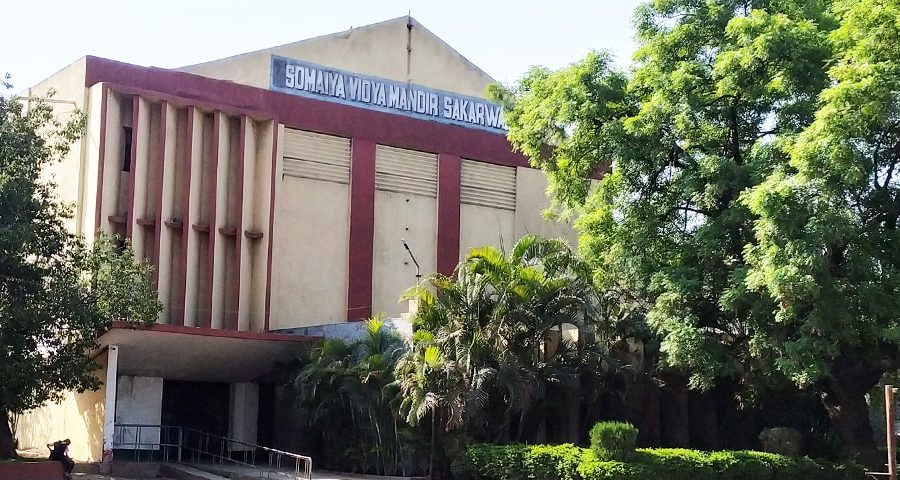
How does S K Somaiya Vinay Mandir Secondary and Junior College foster the holistic development of students?
Life at S K Somaiya Vinay Mandir Secondary and Junior College is deeply rooted in the philosophy of holistic development. Our campus offers a broad range of sports facilities, including basketball, football, table tennis, tennis, volleyball, badminton, cricket, and athletics, to keep students physically active. Our dedicated counselling cell supports young people in navigating emotional and mental health challenges, ensuring their overall well-being.
The Somaiya Center for Experiential Learning (SCEL) organises field trips and events that provide students with valuable practical exposure. In addition, we host seminars, cultural programmes, campaigns, and other extracurricular activities that allow students to grow at a social and intellectual level.
At Somaiya Vidyavihar, we also reinforce personal values among students through discussions on moral issues, encouraging community service, and conducting personality development initiatives. In short, we strive to create an environment that fosters the all-round growth of every student.
Leave a Comment