
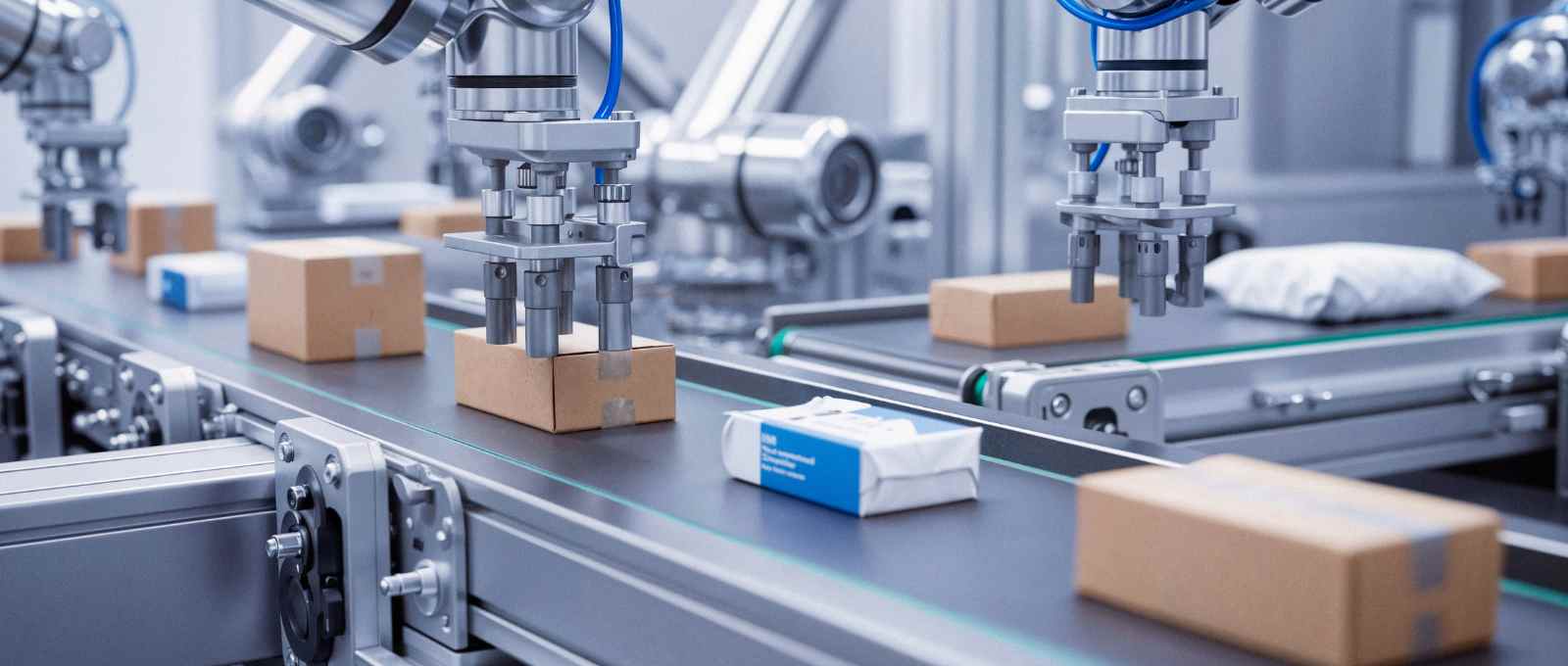

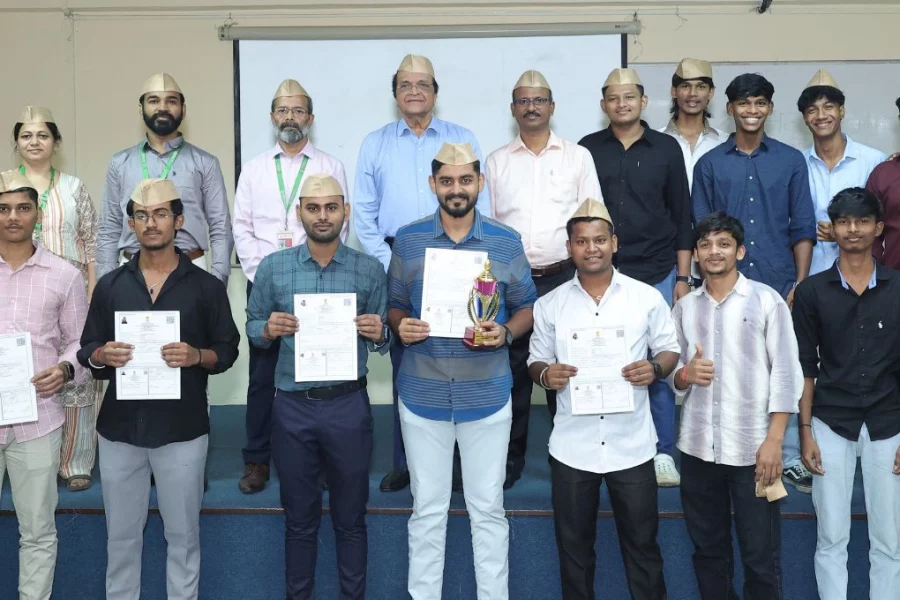
K J Somaiya Private Industrial Training Institute has marked a significant milestone with the successful transition of the first batch of its Certificate Course in Packaging Machinery Operations & Maintenance from academic training to On-the-Job Training (OJT). This development underscores the institute’s focus on industry-aligned, skill-based education that prioritizes employability and real-world readiness.
The shift to OJT indicates that students are now prepared to apply their academic learning and hands-on training in live industrial environments. For the institute, it validates a curriculum designed in close collaboration with industry. For students and parents, it delivers on a key commitment: structured industry exposure supported by financial assurance. During the OJT period, each student receives a monthly stipend of ₹10,000, reinforcing the institute’s promise of paid, practical training.
Structured Industry Exposure Across Reputed Organisations
The five-month On-the-Job Training programme has been carefully structured across manufacturing and packaging-related industries. Students have been placed with packaging machinery manufacturers, automation solution providers, and end-user manufacturing organisations. Their current responsibilities span Operations and Maintenance functions, including machine operation, preventive maintenance, breakdown support, and shop-floor assistance under direct industry supervision.
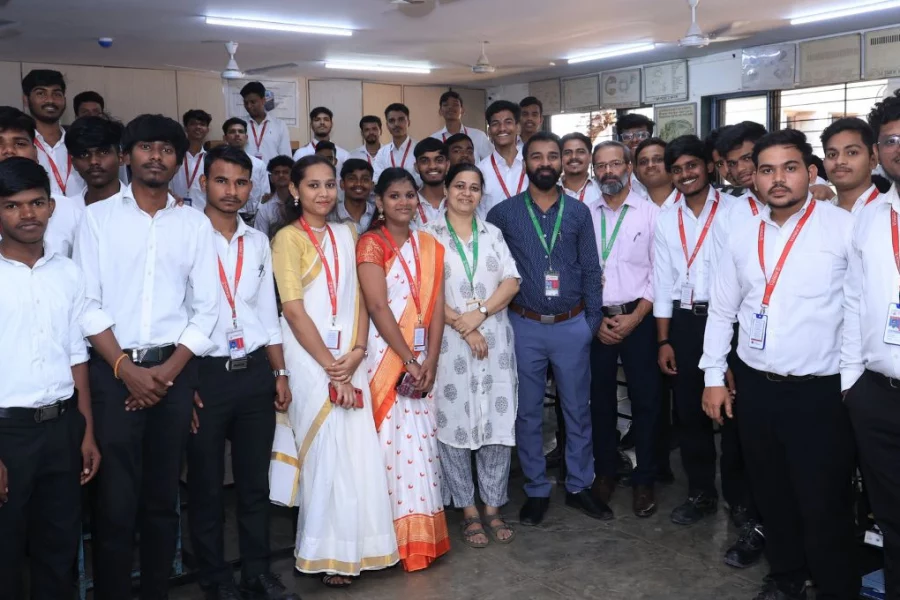
To facilitate this transition, a dedicated campus interview was organised on 2nd December 2025 for all first-batch students. Sixteen reputed companies from the packaging and manufacturing sector participated in the recruitment process, resulting in the successful selection of all students for OJT placements. Participating organisations included Bindwel Stelda Group, SICA India, Usha Machine Tools, Parle Global, Wraptech, IMA-PG India, Nichrome, Valco Melton India, World Pack, Infinity Automated Solutions, and several other key players in the sector.
Preparing Students for Shop-Floor Realities
Prior to OJT, students completed six months of intensive institute-based training that combined classroom instruction, laboratory practice, and extensive hands-on exposure. The programme covered mechanical, electrical, and electronic fundamentals, along with safety practices and essential soft skills. More than twelve industrial visits and over twenty-four guest lectures by industry professionals ensured that students were familiar with shop-floor discipline, operational standards, and workplace expectations well before entering industry.
Continuous Evaluation for Workplace Readiness
A robust evaluation framework is central to the OJT model. Students undergo monthly assessments that monitor technical progress, discipline, safety compliance, and work attitude. The final assessment is conducted jointly by industry partners and the institute, ensuring evaluation against real workplace benchmarks as well as academic standards. This collaborative approach strengthens accountability and supports consistent skill development.
Positive Industry Feedback and Long-Term Employability
Industry partners have shared positive feedback on students’ performance, particularly highlighting their technical fundamentals, adaptability to shop-floor conditions, professional conduct, and eagerness to learn. Over the eleven-month programme, students develop competencies in electronics, mechanical and electrical systems, pneumatics, PLC, SCADA and HMI using OMRON and Festo training kits, along with troubleshooting skills, teamwork, discipline, and safety awareness. These capabilities position them well for sustained careers in the packaging and manufacturing sector.
Strengthening Industry Partnerships for the Future
The progress of the first batch has reinforced the importance of strong and sustained industry collaboration. Building on this momentum, K J Somaiya Private ITI plans to expand its industry partnerships, enhance OJT opportunities, and continuously refine its curriculum based on industry feedback. Placement support will also be strengthened to ensure improved outcomes for future batches.
This milestone represents more than a programme transition. It reflects a deliberate effort to bridge education and industry, and to create a skilled, workplace-ready talent pool aligned with the evolving needs of India’s manufacturing and packaging ecosystem.

Leave a Comment