


In 1999, UNESCO announced International Mother Language Day. Since then, it has been celebrated worldwide on 21 February every year. For around two decades, the global organisation has been advocating for the adoption of mother tongue education, especially during the early schooling years.
In a country like India, which has about 22 official languages, hundreds of unrecognised languages, and thousands of dialects, mother tongue education for children makes all the more sense. Fortunately, the government of India recognises the importance of learning in native languages and has taken various initiatives to promote it.
NEP 2020 emphasises multilingualism and encourages using the mother tongue/ local/ regional language as the medium of instruction until at least 5th Std., but preferably till 8th Std. and beyond. In early 2024, GoI even launched early schooling in 52 non-scheduled languages, including 17 tribal languages. But why are global efforts being taken to promote mother tongue education? Is it even relevant in today’s times? What’s in it for students? Let’s find out.
Six evidence-backed benefits of mother tongue education
Over the years, many researchers have studied the advantages of mother tongue education for children in their early years of schooling. Here are a few noteworthy insights:
Inclusive education
Language is one of the critical factors of inclusive education and lifelong learning. Primary education in the mother tongue ensures learning is accessible to all students, irrespective of their backgrounds. Many parents who are not proficient in English also feel confident about enrolling their children in vernacular medium schools. They can easily communicate with the teachers, help with homework, participate in school activities, and fully support them during their educational journey. In addition, mother tongue education benefits primary school teachers who find it difficult to express themselves in English. It allows them to impart their knowledge and address students’ queries confidently. So, it’s a win-win situation for all, including parents, teachers, and children.
Improved academic performance
When children are taught in a language they know and understand, they learn quickly, grasp concepts properly, and retain information better. In comparison, if they are suddenly instructed in a new language, the information overload may make it challenging for many students to cope with school. Thus, mother-tongue education during the initial schooling years improves learning outcomes and academic performance.
Proper cognitive development
Studies have repeatedly shown the power of mother tongue education in children’s cognitive development. Without the burden of understanding a new language, little ones can focus their energies on learning to read, write, and navigate different subjects. It allows them to develop crucial skills such as problem-solving, critical thinking, memory recall, and creativity much earlier in their childhood.
Positive self-concept
When younger kids perform well in school and receive praise from their parents and teachers, it boosts their self-confidence and self-esteem. These children are more likely to face challenges than avoid them and step out of their comfort zone to try new things. They also find it easy to engage with peers, helping improve their social skills. In short, mother tongue education promotes a positive self-concept, setting a solid foundation for future success.
Lesser drop-out rates
One of the main reasons students dropout of school is because they cannot comprehend the medium of instruction, making it difficult to understand lectures, complete homework, and take exams. The routine poor performance in school affects their self-confidence and soon leads to a loss of interest in studies. However, mother tongue education eliminates this issue and ensures a positive and encouraging learning environment for every child. When they understand what is being taught, they enjoy their studies instead of feeling burdened by it. The result? Lesser drop-out rates.
Preservation of cultural heritage
Studying in a foreign language takes children further from their roots, posing a threat to the language. When a language is endangered, it affects the entire cultural heritage. Mother tongue education encourages students to learn in their native language, instilling a sense of pride and reverence for their identity and background. When children are proud of who they are, they are more likely to pass on their cultural heritage to future generations, thus successfully preserving it for many years.
How Somaiya Vidyavihar supports mother tongue education
The founder of Somaiya Vidyavihar, Padma Bhushan Shri K J Somaiya, emphasised that “an all-round education must integrate Indian culture, values, and morality into the curriculum.” Walking on the path he laid, Somaiya Vidhyavihar runs multiple schools and junior colleges offering education in vernacular mediums.
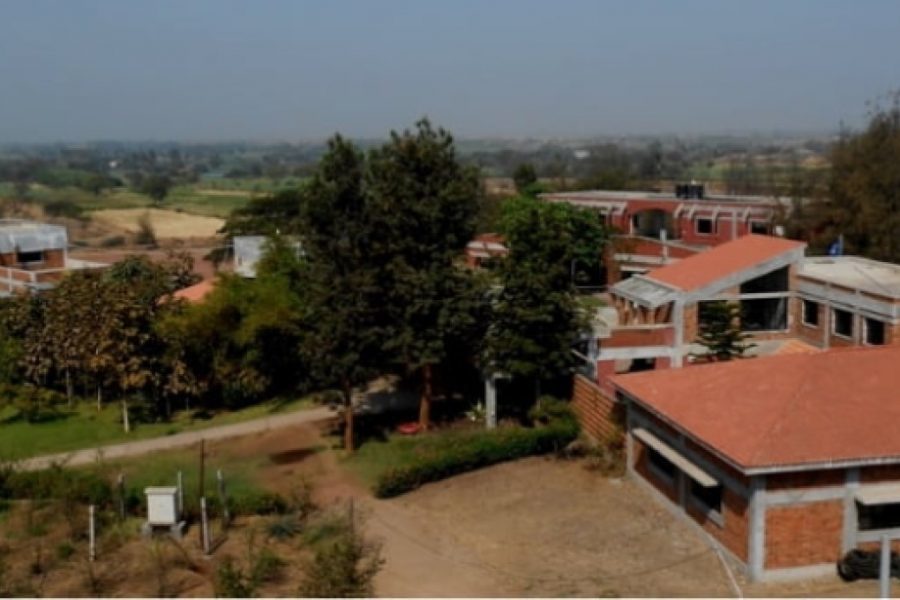
Somaiya Shishu Niketan Primary School (Lower K.G to VII Std) and Somaiya Vinay Mandir High School (VIII Std to X Std), both located in Sameerwadi, Karnataka are Kannada-medium schools. These schools give preference to children of farmers and Godavari Biorefineries Ltd. workers. Mother tongue education helps ensure that kids enjoy the learning process, excel in academics, and enjoy brighter career prospects in the future. In addition to Kannada-medium schools, Somaiya Vidyavihar offers education in Gujarati and Marathi medium.

Leave a Comment