


If you plan to study economics, Dr Purushottam Wadje, the principal of S K Somaiya College of Arts, Science & Commerce, has valuable insights for you. He has nearly three decades of experience teaching economics to undergraduate and postgraduate students. He has also published research papers in renowned journals and presented his findings at national and international conferences. As an economist, he has significantly contributed to the sustainable development of the decentralised textile industry.
In a recent discussion with him, we explored the importance of economics today, various career paths, and relevant resources for students. Keep reading to discover what awaits you in the dynamic and influential world of economics!
Why should students study economics?
Choosing economics as a field of study or career benefits students on a professional, societal, and individual level. Students gain a deeper understanding of how the national and world economies function. They decode the impact of complex market dynamics and government policies on individuals and businesses. They also learn about international trade, globalisation, and economic development, helping them develop a global perspective. Strengthening economic concepts, models, and relationships leads to excellent career prospects, high-earning potential, and possibilities to make meaningful contributions to society.
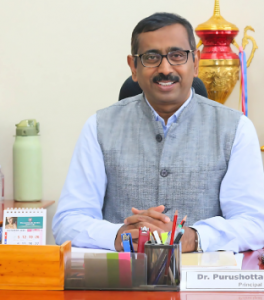
Students interested in becoming entrepreneurs also benefit from developing a strong foundation in economics. It allows them to comprehend market trends, track consumer behaviour, and build effective business strategies. Another advantage of studying economics is developing transferable skills like analytical thinking, logical reasoning, and problem-solving that employers across various industries value. Furthermore, economics intersects with political science, sociology, history, psychology, mathematics, engineering, and more, making the subject resourceful for students from different disciplines. Learning economics also equips students to make wiser personal financial decisions.
What are the various career opportunities for an economics graduate?
Graduates with a degree in economics can explore multiple opportunities within India and abroad. Top career paths include academia, research, policymaking, finance, consulting, entrepreneurship, and journalism.
People passionate about teaching and research can pursue roles in academic institutions, think tanks, research centres, and government agencies.
Economics graduates specialising in policymaking can secure positions in the Indian Economic Service (IES), RBI, SEBI, NABARD, NITI Aayog, public sector banks, financial institutions, and foreign embassies. Those seeking global opportunities can work with the World Bank, IMF, UN, WTO, and international NGOs.
Professionals with economic expertise, such as financial analysts, investment bankers, business analysts, risk managers, and actuaries, can find evergreen opportunities in the corporate sector.
Economists with advanced education and experience can land lucrative openings in central banks, international organisations, and corporations. They can also take on consulting and advisory positions at leading MNCs such as McKinsey, Deloitte, BCG, and PwC.
Individuals with an entrepreneurial mindset can launch fintech startups and export-import businesses. Those with outstanding thought leadership, communication, and writing skills can break into economic journalism. The rise of big data and artificial intelligence has also revolutionised career opportunities for economics graduates—the current in-demand roles include data scientists and behavioural economists.
What is your advice to students aspiring to build a successful career in economics?
Students looking to develop a successful career in economics should focus on three aspects, including theoretical knowledge, skill development, and practical experience. To begin with, understanding core economic concepts through textbooks, authored books, and online courses is essential. They must also read newspapers, blogs, reports, and policy documents to stay updated with global economic trends, research, and developments.
Economics students must develop quantitative, analytical, and problem-solving skills to understand complex economic issues and propose effective solutions. Additionally, statistical tools like Excel, R, and Python can help with data analysis, modelling, and reasoning. Students should also hone their communication and writing skills to present their ideas, reports, and research clearly and confidently. Participating in internships and research projects to gain hands-on industry experience is crucial to secure better job opportunities after graduation. Finally, students must be prepared to invest their time and effort into continuous learning as economics is an ever-evolving field.
What are your top reading recommendations for students studying economics?
Students looking to develop a well-rounded foundation in economics and enhance their understanding of the subject must add five books to their reading list. A good starting point is ‘Principles of Economics’ by N. Gregory Mankiw, a textbook illustrating microeconomics and macroeconomics in depth. Similarly, ‘Economics’ by Paul Samuelson and William Nordhaus covers key economic theories.
‘Development as Freedom’ by Amartya Sen is the best resource for learning about international economic development. ‘The General Theory of Employment, Interest, and Money’ by John Maynard Keynes is a must-read for enhancing knowledge of macroeconomics and the influential Keynesian theory that shaped modern economic thought. Finally, ‘Globalization and Its Discontents’ by Joseph Stiglitz critically analyses globalisation and its effects on developing economies. Apart from these recommendations, students can also read books authored by other prominent economists, including Adam Smith, Paul Krugman, and Milton Friedman.
How does S K Somaiya College of Arts, Science & Commerce help students interested in pursuing economics?
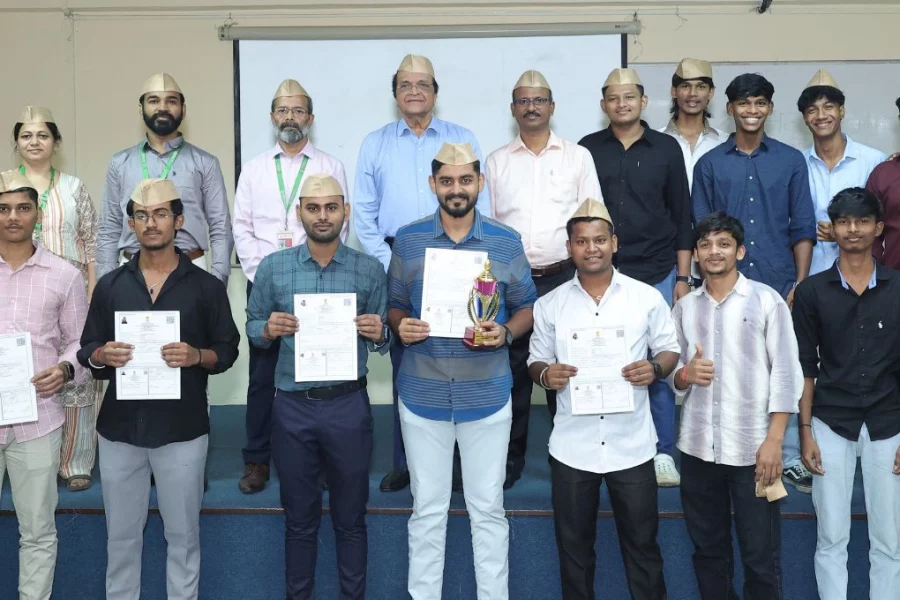
At S K Somaiya College of Arts, Science & Commerce, we promise students a holistic learning experience, combining theory, skill-building, and practical exposure. In addition to fostering an interactive classroom environment, we encourage project work and co-curricular activities that can improve their knowledge and skills. A few examples include case study analysis, research presentations, and debate competitions.
We also invite industry experts to give talks and arrange educational visits to ensure students stay current with real-world economic scenarios. Additionally, career development initiatives, internships, and research opportunities ensure that students are well-prepared for the diverse roles in the economics field.

Leave a Comment