
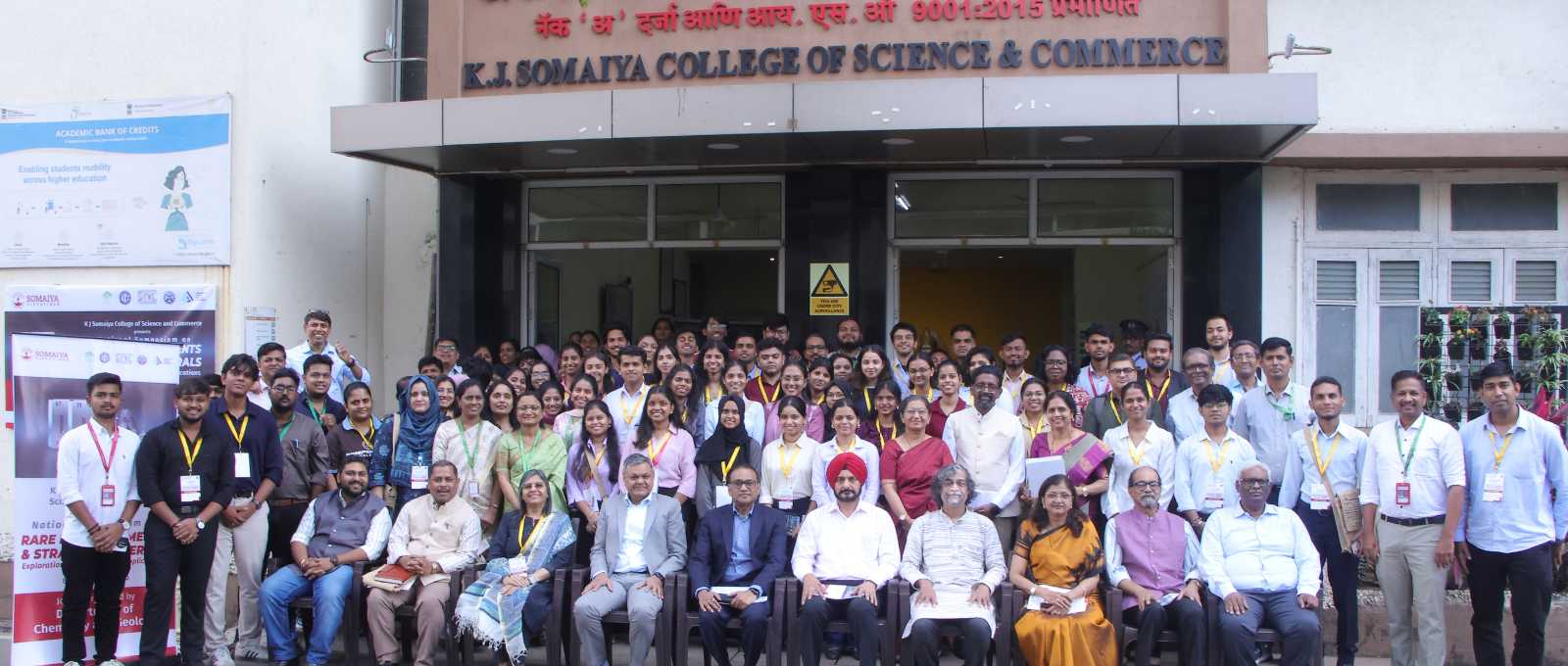

As global industries accelerate towards clean energy, advanced electronics, and defence innovation, rare earth elements and critical minerals have emerged as the backbone of modern technology. Recognising their growing national importance, the Departments of Chemistry and Geology at K J Somaiya College of Science & Commerce organised a two-day National Symposium on Rare Earth Elements and Strategic Minerals: Exploration, Processing and Applications on 6th and 7th February 2026.
The symposium brought together scientists, policy experts, industry leaders, and young researchers to examine how India can strengthen its capabilities in discovering, processing, and sustainably utilising these strategically vital resources. Supported by national scientific bodies including Anusandhan National Research Foundation, Council of Scientific and Industrial Research, the Society of Materials Chemistry, and the Association of Chemistry Teachers, the event reflected India’s growing push towards mineral security and technological self-reliance.
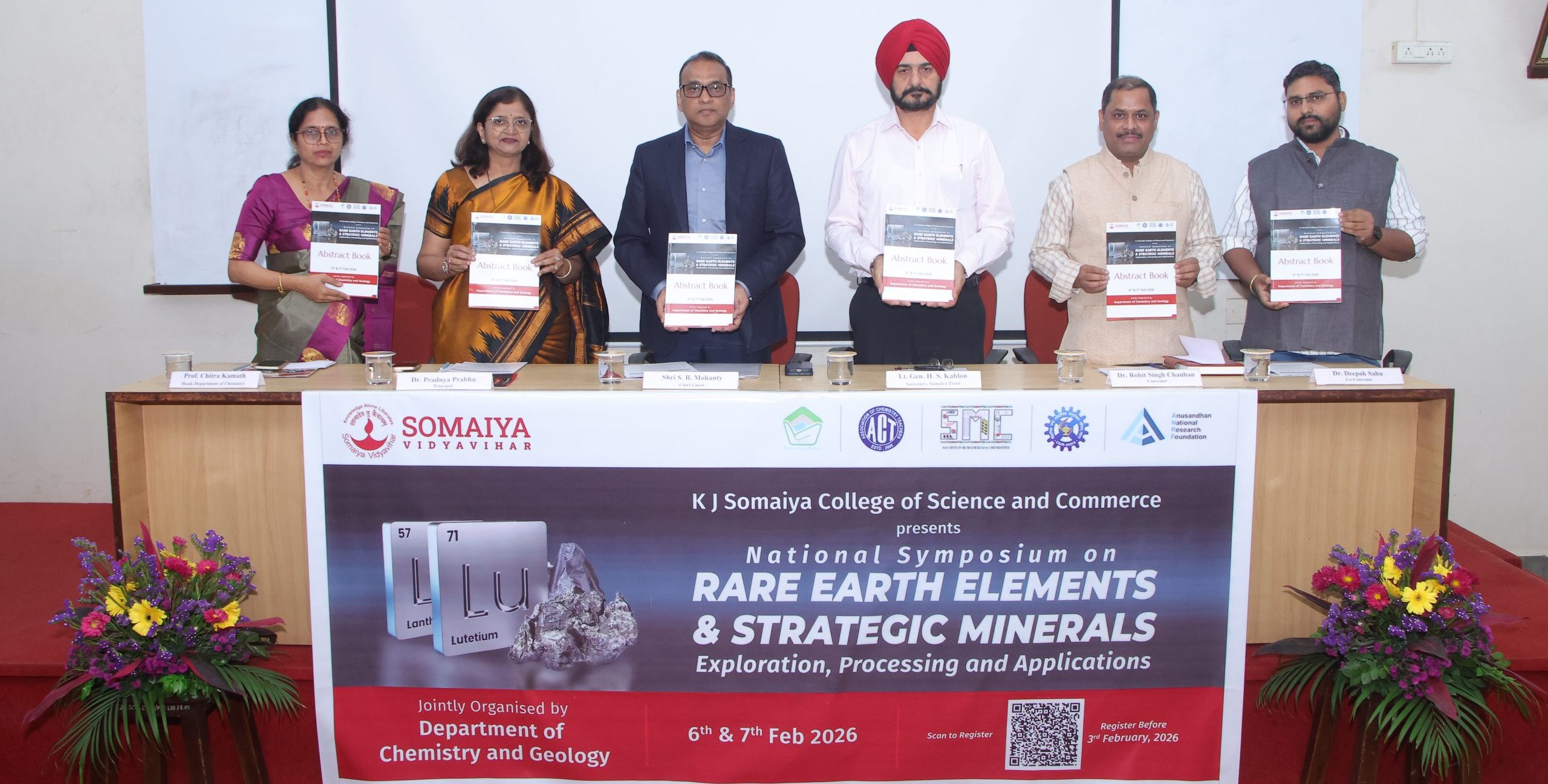
Opening the symposium, Principal Dr Pradnya Prabhu highlighted how rare earth elements now sit at the centre of renewable energy systems, electric vehicles, high-performance electronics, and national defence technologies. She also spoke about the institution’s academic transformation under the National Education Policy 2020, emphasising multidisciplinary learning, research exposure, and flexible curricula that prepare students for emerging scientific challenges.
Setting the academic vision for the symposium, Dr Rohit Singh Chauhan, Convener, emphasised the need to move beyond isolated research towards integrated collaboration across geology, chemistry, materials science, policy, and industry. He underlined that rare earth elements and strategic minerals are not only scientific resources but national assets that will shape India’s technological future.
The keynote address by S B Mohanty, Chairman and Managing Director of IREL India Limited, offered a strategic industry perspective on India’s rare earth ecosystem. He outlined the country’s rising demand for these minerals across renewable energy, electronics, electric mobility, defence, and space sectors, while stressing the urgency of strengthening indigenous exploration, processing, and sustainable mining practices.
Across eleven technical sessions over two days, experts explored the complete value chain of rare earth elements and critical minerals. Discussions ranged from geological exploration techniques and coastal placer mineral resources to processing innovations, mineral policy frameworks, circular economy models, and advanced applications in healthcare, ceramics, nanotechnology, and strategic engineering.
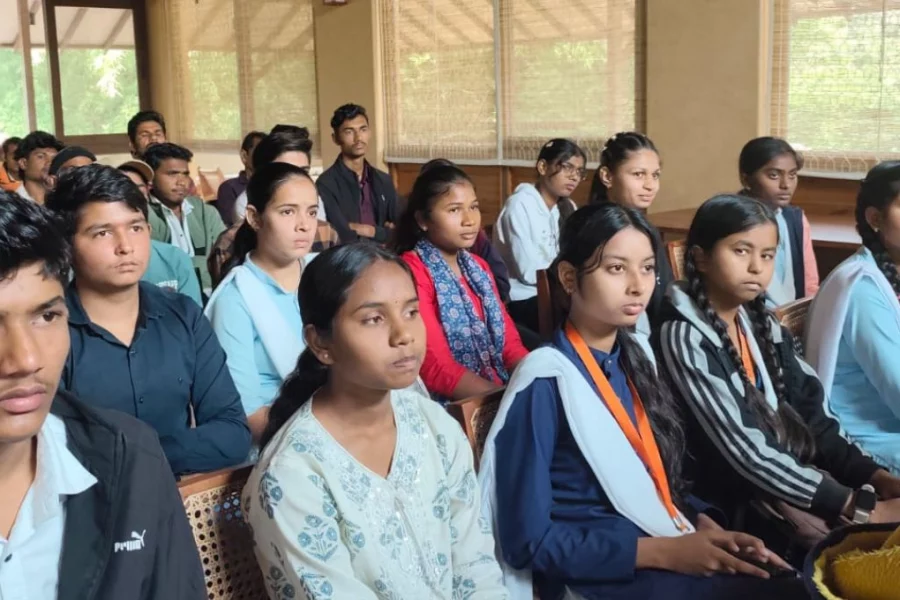
Student and researcher engagement formed a key pillar of the symposium, with oral and poster presentations showcasing emerging research in mineral recovery, advanced materials, and exploration potential. These interactive sessions fostered academic confidence, critical thinking, and meaningful dialogue with national experts.
The symposium concluded with reflections on the importance of sustained collaboration between academia, research institutions, and industry to ensure responsible and strategic mineral development. With participation from over 100 delegates and the publication of an ISBN-backed abstract volume, the event stood out as a significant academic milestone.
By linking scientific innovation with national priorities, the National Symposium on Rare Earth Elements and Strategic Minerals reaffirmed K J Somaiya College of Science & Commerce’s commitment to research-driven education and strategic relevance.
Leave a Comment