

A strong foundation is critical for any building to remain stable for years. Without it, the architectural structure would lack integrity, get damaged, or even collapse. Similarly, elementary education lays the foundation for a student’s academic journey and future success. If their early schooling is not at par, they may struggle to understand complex concepts, clear exams, and complete projects during high school and beyond.
That’s why the role of elementary school teachers is pivotal in the education system. Without enough competent educators, India cannot hope to achieve its goal of having a world-class education system by 2040 accessible to all learners, irrespective of their backgrounds.
As the educational landscape in the country continues to evolve, so do the expectations from elementary educators. So, what should aspiring teachers know before entering this profession? In a recent interview, Smt Snehal Phodase, the principal of Smt S K Somaiya Junior College of Education, shared valuable insights on this topic.
Can you discuss the Diploma in Elementary Education (D.El.Ed) program?
The Diploma in Elementary Education (D.El.Ed) program is a 2-year training program designed to help aspiring teachers gain the necessary knowledge and skills to teach students from classes I-VIII. The course covers various topics like child development, pedagogy approaches, education trends, school culture, and leadership, to name a few.
The aim is to give India enough competent teachers to nurture young minds in inclusive learning environments and prepare them for lifelong success. D.El.Ed graduates can find job opportunities in government and private schools in metropolitan cities, towns, and villages—the possibilities are immense. Those interested in further strengthening their professional profile can pursue B.Ed or M.Ed degree programs.
How can teachers leverage technology to enhance learning for elementary school students?
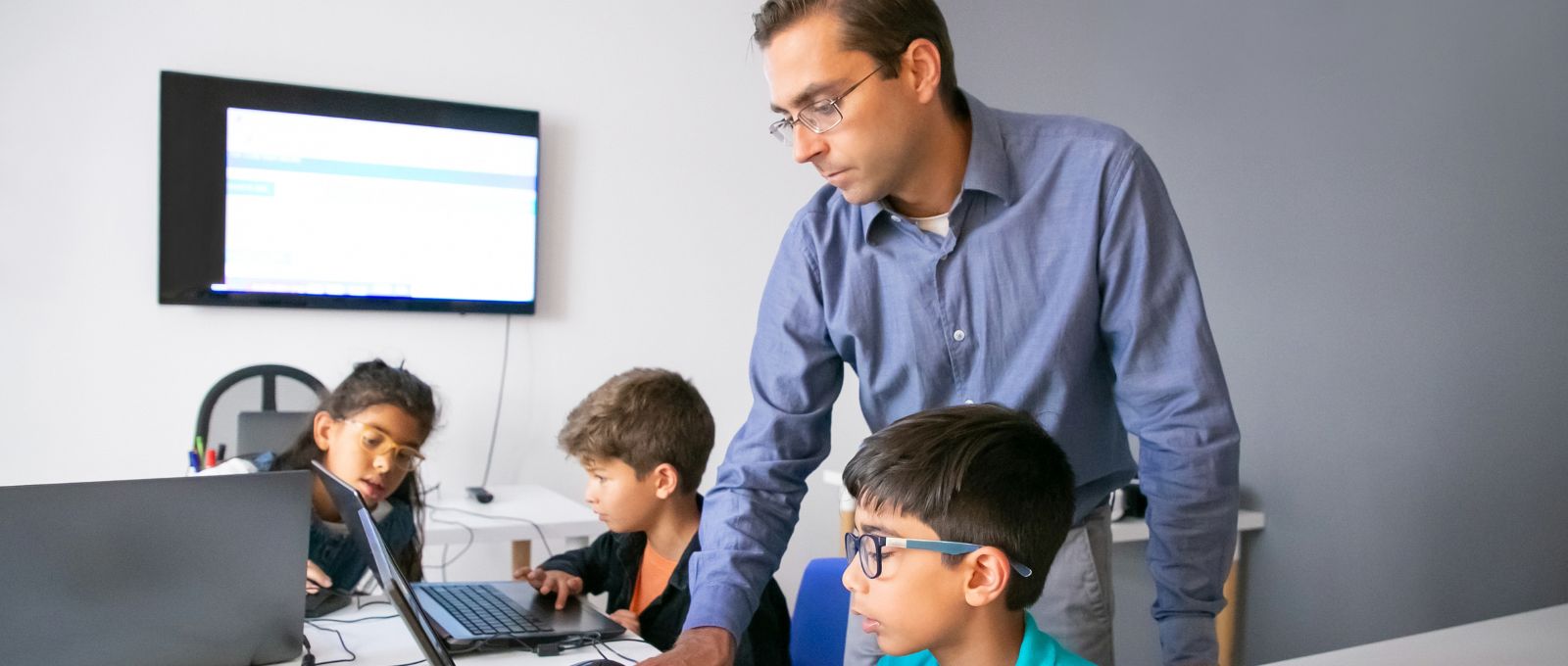
Nowadays, children are already familiar with mobile phones, tablets, laptops, and even AI. Given their tech-savvy nature, it no longer makes sense to restrict classroom learning to traditional ways like books, lectures, and printed worksheets. Instead, teachers should be innovative and incorporate digital tools to facilitate learning. For example, they can show videos to break down complex science concepts, invite an expert for a live virtual session, and make pictorial presentations.
They can use technology for assignments like sharing MCQ worksheets or short stories for home reading via e-mail. Teachers can also help students launch a classroom blog or newsletter and encourage them to submit personal essays, poems, and artwork for everyone to read.
What should be the goals and objectives of an elementary school teacher?
Schools are like second homes for children. While teaching subjects like languages, maths, science, history, and geography is important, teachers should go beyond imparting knowledge. They must focus on students’ holistic development, giving equal importance to cognitive, emotional, social, physical, and spiritual aspects.
Teachers can introduce innovative activities within the classroom that help the children hone their curiosity, creativity, critical thinking, and problem-solving skills. They should also encourage participation in arts and crafts workshops, sports events, cultural programs, elocution competitions, poetry writing contests, and other extracurricular activities. Every child is different, so the teacher must identify their unique talents and help nurture them.
Value education is crucial to raising self-aware, empathetic, compassionate, and socially responsible kids. Teachers can narrate moral stories in class, encourage gratitude journaling, and organise community service projects. In short, elementary school teachers should aim to create engaging and positive learning environments that promote students’ overall development.
How can teachers stay updated with the current trends in elementary education?
Education is an ever-evolving field. What worked a decade or two ago may not be the most effective now. For example, books were the only source of knowledge back then, but the new trend is tech-enabled learning. So, teachers must keep adapting their approach to guarantee the best schooling years for young learners.
Now, how can they stay updated with education trends and improve their expertise? There are many avenues for that—they can attend workshops, seminars, and online courses. They can also read educational journals, news, books, articles, and newsletters to stay informed and relevant. A teacher committed to continuous learning can make their teaching the most effective and ensure excellent student outcomes.
In your opinion, what qualities define a good elementary school teacher?
Teachers must create an inclusive environment and treat everyone equally, regardless of their background. They must be empathetic and give personalised attention to each child, ensuring no one lags in academics and campus activities. They should be able to bring out the best in every student and boost their self-confidence.
Another sign of a good teacher is practical management skills. Kids can be talkative, get naughty, engage in bullying, or experience separation anxiety—basically, classrooms can be absolute chaos. Teachers must know how to control the students and maintain decorum during learning hours. Most importantly, they should be creative and make learning exciting for children. And lastly, as discussed earlier, teachers should be flexible and constantly adapt to meet the current needs in education.
What advice would you give to individuals looking to pursue a career in teaching?
Anyone aspiring to become a teacher should reflect on the question, “Why do I want to teach?” Teaching is far more than delivering lessons, giving assignments, conducting exams, and writing report cards. In the larger context, it is about shaping minds, influencing lives, and contributing to the future of the nation. Becoming a good teacher requires a burning passion, consistent hard work, and patience. If you’re ready to embrace that responsibility, teaching can be one of the most rewarding careers you’ll ever pursue.
What distinguishes Smt S K Somaiya Junior College of Education as one of the best institutes for teacher education?
Smt S K Somaiya Junior College of Education is the only government-aided college in Maharashtra offering the D.El.Ed course in three mediums—Hindi, Marathi, and English. We offer well-equipped facilities, including smart classrooms, computer and science labs, an art room, a physical education space, and a sports ground.
Our faculty is highly qualified and has many years of experience in the teaching field. Apart from delivering excellent lessons, they offer special coaching for CTET (Central Teacher Eligibility Test), TET (Teacher Eligibility Test), and drawing exams. They also encourage co-curricular and extracurricular activities for the personality development of trainees. Ultimately, our mission is to empower India with competent elementary school teachers ready to make a difference in the lives of young learners.

Leave a Comment