
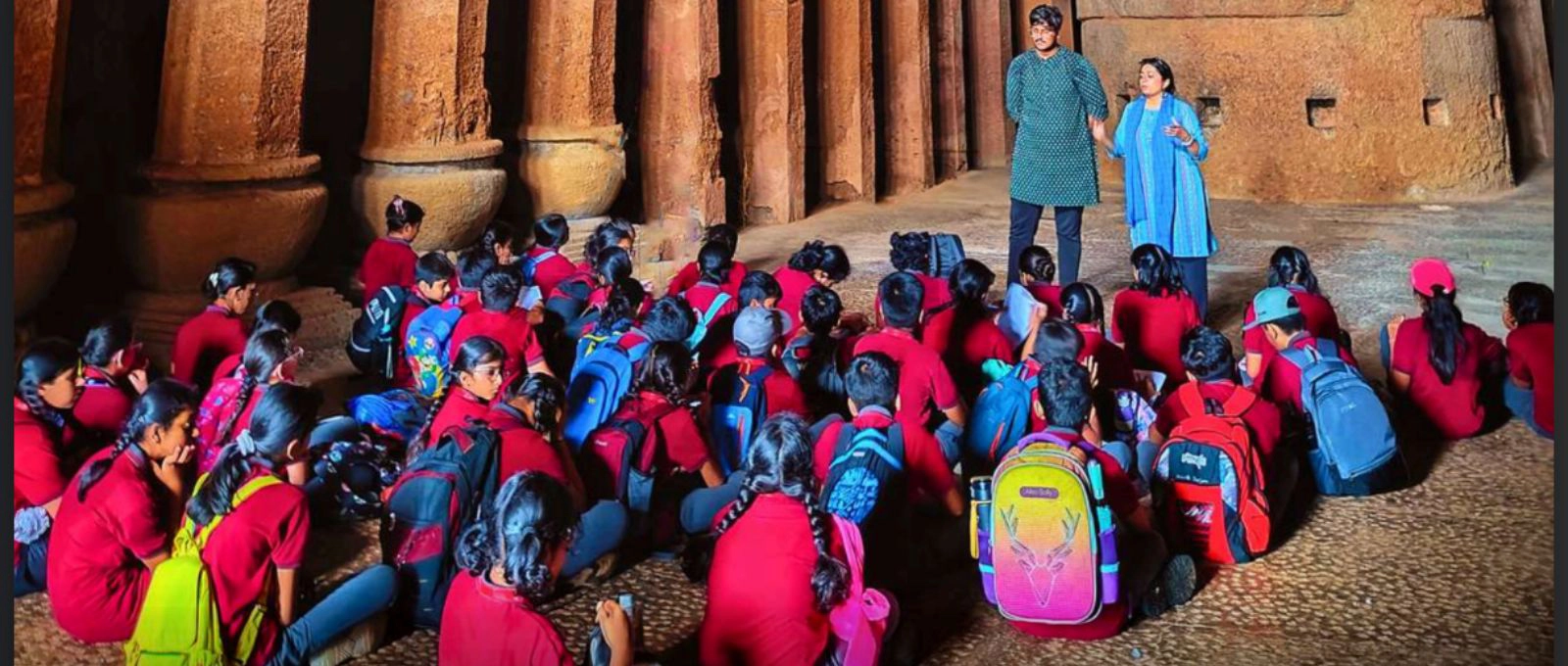

Most school days begin with bells and blackboards. But at Somaiya, some days begin with birdsong echoing in ancient caves, or with the soft squelch of mangrove mud, or with the simple joy of watching a raindrop slide off a roof. This year, students didn’t just learn about Mumbai—they felt it, touched it, walked through it, and carried its stories home in their pockets.
When Children Met the Stones of Time
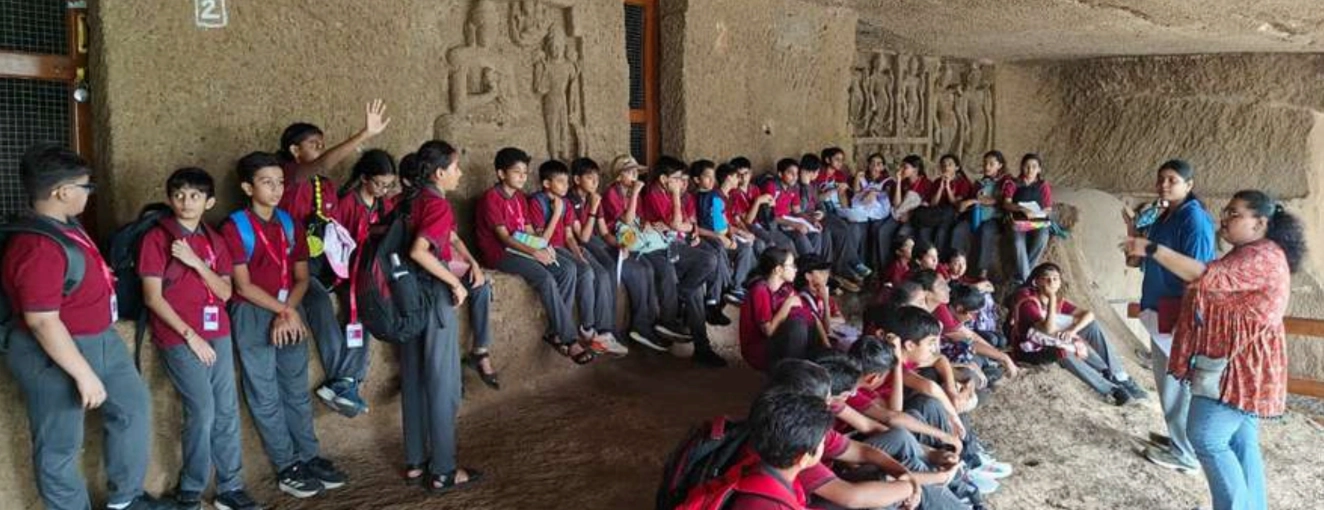
Grade 6’s visit to the Kanheri Caves wasn’t just a field trip—it felt like stepping into a time machine. As students walked through the cool stone corridors, conversations softened, as though the caves themselves asked for quiet. One child gently ran her fingers over a centuries-old carving and whispered, “Someone actually made this…here.”
In that moment, history wasn’t distant. It became a human story—of hands that carved, people who prayed, artists who imagined.
At the Thiruchembur Murugan Temple, Grade 7 students found themselves surrounded by sculptures that felt strangely alive. Guided by Dr. Monalisa Behera, they looked up at towering gopurams and tried to decode the temple’s geometry. “It’s like math, but with a heartbeat,” one student joked. And it was true—those ancient curves and patterns held the wisdom of generations who built beauty with intention.
Trees, Tribes, and Tiny Raindrops
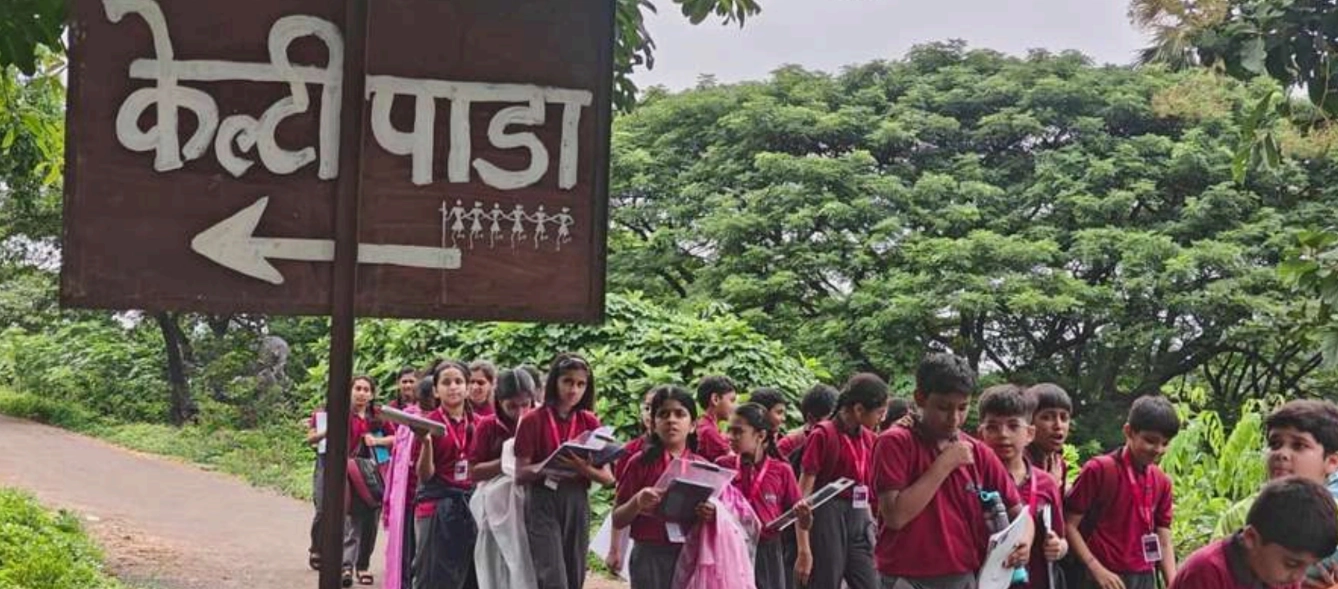
Meanwhile, Grade 5 wandered into Aarey Forest. The air smelled of damp leaves and earth—very different from their classrooms. In Keltipada, a tribal hamlet, students met people who live with the forest, not around it. They tried traditional instruments, listened to stories of protest and belonging, and learned that every tree holds a memory if you’re quiet enough to listen.
 Back on campus, Grade 1 had their own world of wonder. Through the story of Aqua, a friendly raindrop, they traced how water travels—from rooftops to puddles to soil to groundwater. When one child exclaimed, “Aqua went under our feet!” the whole class gasped. It was science, but it was also magic.
Learning With Real People, Not Just Real Places
Across the school, learning deepened because it included the voices of people who love what they do. At Sewri Fort, Grade 8 students listened to archaeologists who spoke about broken walls as though they were old friends. Historian Dr. Kurush Dalal turned a dry stone structure into a storyteller, sharing tales of battles, sailors, and forgotten harbours. Students weren’t just absorbing facts—they were absorbing passion.
 Back in school, that spark continued. Using thinking routines, reflective journals, and discussions, children unpacked their experiences. Coins became clues. Museum artifacts became questions. Local monuments became personal connections. Slowly, learning shifted from “What is this?” to “Why does this matter to me?”
The Day the Mangroves Became a Teacher
One of the most emotional experiences unfolded in Thane’s mangrove belt. Guided by the Coastal and Marine Biodiversity Centre, students felt the soft resistance of mangrove roots under their feet and watched tiny crabs scuttle like nervous tour guides. Through a playful Jenga-style food-web game, they discovered how fragile the ecosystem is—and how a missing block could collapse everything.
Later, a student wrote in her reflection, “I thought mangroves were dirty. Now I think they’re protectors.”
That’s the human shift experiential learning creates—not just knowledge, but empathy.
Future Teachers Find Their Own Wonder
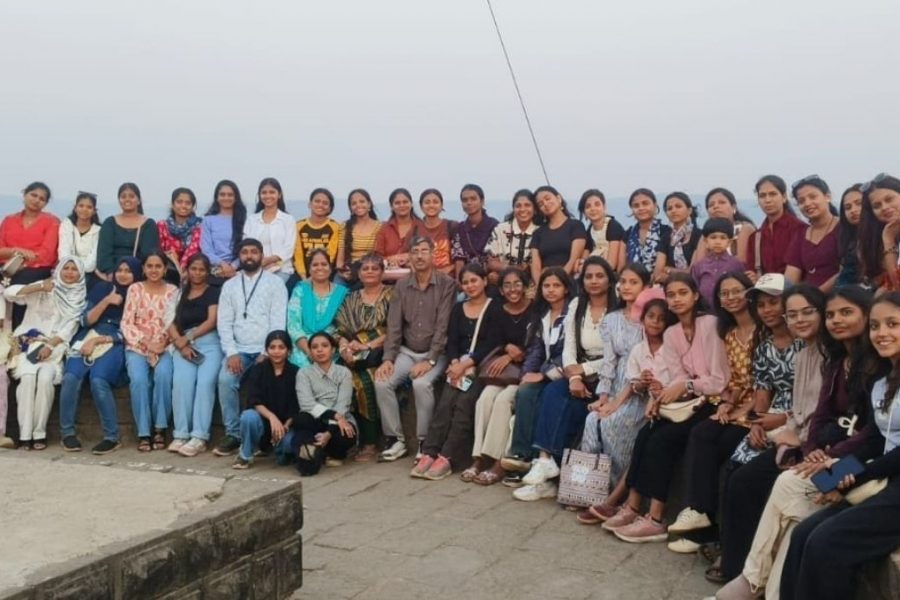
Even the B.Ed students of the Anuṭṭi Mumbai Programme experienced Mumbai with childlike curiosity. They laughed at the flamingos’ awkward elegance, stood lost in front of ancient sculptures at CSMVS, and shared chai while discussing how learning can feel joyful, not stressful. Many admitted that they entered the programme seeing experiential learning as “extra work.” They left believing it builds kinder, more curious classrooms.
Why It All Matters
Across caves, forests, temples, museums, planetariums, and coastlines, one truth surfaced again and again: children learn best when learning feels alive. They remember the stories, the smells, the textures, the people. They remember how they felt.
As Ms. Meghaa Ahuja, Head, Somaiya Center for Experiential Learning says, “When children experience concepts, learning transforms from a subject into a way of life.”
And at Somaiya, that transformation is visible—in muddy shoes, wide eyes, sketch-filled notebooks, and little voices asking bigger questions.
Here, Mumbai is not just a city.
It’s a teacher.
A storyteller.
A living, breathing classroom.
Leave a Comment